

Christmas is a traditional festival in western countries. Every December 25th is the birthday of Jesus Christ, the founder of Christianity. Because the Bible records that Jesus was born at night, people call the night of December 24 “Christmas Eve”.
Christmas was originally a religious holiday. In the nineteenth century, with the popularity of Christmas cards and the appearance of Santa Claus, Christmas began to gradually become popular.
Ma, many countries around the world celebrate Christmas on this day, and it has entered everyone’s life. This post will tell you the stories and legends about Christmas.
Santa Claus
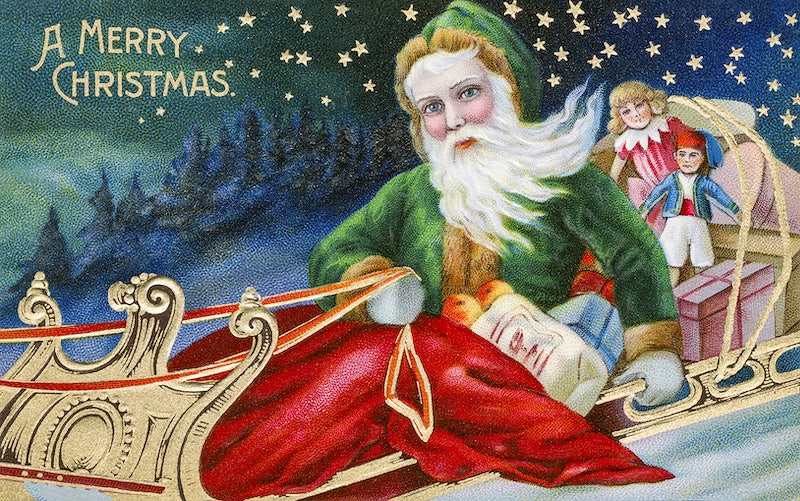
There are many legends about Santa Claus in Europe. But the most widely circulated legend is that when Christmas was just taking shape in the third century AD, there was a very rich and kind old man who often roamed around in a deer cart in the cold winter. If he encountered a poor person, the old man would be generous to help him.
One day, just before Christmas. The old man came to a city and heard that there was a poor family’s daughter who was about to get married. But she was poor and had no dowry and beautiful clothes, and the bride was very anxious about this, and her face was often sad.
The old man was very sympathetic to the girl, so in the dead of night, he quietly dropped a bag of gold coins through the girl’s window as a gift.
As the night was dark and in a hurry, the bag of gold coins landed in the stockings that the girl hung by the fireplace. The girl found gold coins when she woke up the next day and put on her socks. With the help of the old man, the girl got married decently and lively.
Not only do the old people often give gold coins to the poor, but they are also happy to send gifts such as candy and toys to children on Christmas Eve.
Viszont, his gifts are not given openly, and he often throws them from the chimney in the dead of night, so that the children always get a surprise early Christmas morning.
Over time, people discovered that these gifts were given by a kind-hearted man with a silver beard, a red robe trimmed with white velvet, a red hat with white brims, holding a cane, and riding a sleigh.
Így, people called the old man named Nicholas Santa Claus. Természetesen, Santa Claus doesn’t just bring gifts to the children. A szemtelen gyerekeknek, akik nem hallgatnak tanácsra, nemcsak hogy nem hajlandó ajándékot adni, hanem felemeli a mankókat és megüti a szemtelen gyerekek fenekét.
Később, annak érdekében, hogy a gyerekeknek jó álmot és vágyat adjanak, az emberek karácsony előtt kitakarították a kandallóhoz vezető kéményt, és azt mondta a gyerekeknek, hogy lefekvés előtt akasszanak harisnyát a kandalló mellé, hogy ajándékokat kapjanak a Mikulástól.
A gyerekek engedelmesen, lelkes várakozással fognak aludni, és másnap arra ébredve, hogy ez a Mikulás ajándéka, amikor a harisnyájuk tele van a várva várt karácsonyi ajándékokkal.
Karácsonyfa

Azt mondják, hogy egy gazda fogadott egy éhező gyereket egy havas karácsonyi éjszakán, és hagyta, hogy egy pompás karácsonyi vacsorát étkezzen.. A gyerek letört egy fenyőágat, és a földre ültette, hogy kifejezze háláját a gazdának. köszönet és áldás.
Miután a gyerek elment, a gazda megállapította, hogy az ág kis fává változott. Csak ekkor vette észre, hogy akit kapott, az Isten angyala.
Ez a történet lett a karácsonyfa forrása. Nyugaton, akár keresztény, akár nem, karácsonyfát kell készíteni karácsonyra, hogy növelje az ünnepi hangulatot.
A karácsonyfák általában örökzöld fákból, például fenyőből és ciprusból készülnek, amelyek a hosszú életet jelképezik. A fát különféle gyertyák díszítik, színes virágok, játékok, csillagok, és különféle karácsonyi ajándékokat akasztanak rá. Szenteste, az emberek énekelnek és táncolnak a karácsonyfa körül, és szórakoznak.
Karácsonyi doboz

Arra a bokszajándékra utal, amelyet a nyugatiak karácsonykor postásoknak vagy szolgáknak adnak, általában kis dobozban.
Egyszer régen, volt egy jószívű nemes, akinek a felesége betegségben meghalt, őt és három lányát otthagyta.
A nemes sok mindent megpróbált, de kudarcot vallott, és elfogyott a pénze, ezért parasztházba kellett költözniük, a lányainak pedig maguknak kellett elvégezniük a mezőgazdasági munkát, mint például a főzés, varrás, és takarítás.
Néhány évvel később, ahogy a lányok elérték a házasságkötési kort, az apa még jobban elkeseredett, mert nem volt pénze hozományt venni a lányainak.
Egy este, a lányok a kandalló elé akasztották a harisnyáikat, hogy a ruháik mosása után megszáradjanak.
Nicholas aznap este bejött hozzájuk, miután tudomást szerzett apjuk állapotáról. Az ablakból, he saw that the family was asleep, and he noticed the girls’ stockings.
Immediately, he took out three small packets of gold from his pocket and threw them down the chimney one by one, and just fell into the girls’ stockings. The next morning, the daughters woke up to find their stockings full of gold, enough for their dowry.
Ennek eredményeként, the nobleman was able to see his daughters get married and live happily ever after.
Később, children all over the world carried on the tradition of hanging Christmas stockings. Children in some countries have other similar customs, such as in France, children put their shoes on the fireplace, stb.